

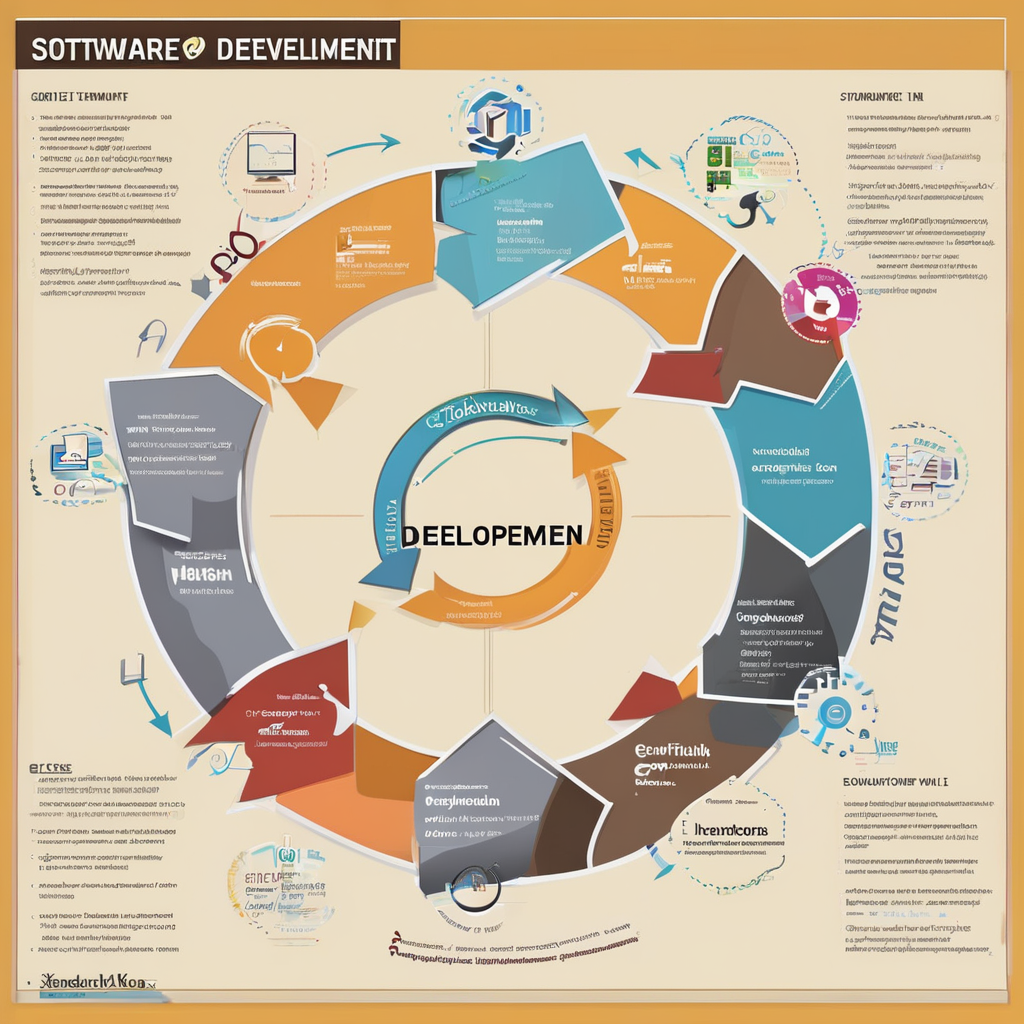
Software development life cycle (SDLC) is a crucial process in the world of technology and software engineering. It encompasses a series of steps that are necessary to deliver high-quality software products. Understanding the phases of the software development life cycle is essential for developers, project managers, and stakeholders involved in software projects.
The first phase of the software development life cycle is the planning stage. During this phase, project requirements are gathered, analyzed, and documented. This stage sets the foundation for the entire software development process by defining project scope, goals, and objectives. Planning also involves creating a project timeline, allocating resources, and setting milestones for the project.
The next phase in the software development life cycle is the analysis stage. In this stage, the project requirements gathered during the planning phase are further analyzed to ensure they are comprehensive and feasible. Developers work closely with stakeholders to understand the business needs and user requirements that the software product must fulfill. This stage is crucial for defining the functional and non-functional requirements of the software.
Once the requirements are finalized, the design phase begins. During this stage, software architects and designers create a detailed technical design that outlines the structure, components, and modules of the software product. The design phase also involves creating user interface designs, database schemas, and system architecture diagrams. A well-thought-out design is essential for ensuring the scalability, performance, and usability of the software product.
After the design phase is complete, the development stage begins. This is where developers write code based on the specifications outlined in the design phase. The development stage involves coding, testing, and debugging to ensure that the software product meets the specified requirements. Developers work collaboratively to build the software product according to the design documents and technical specifications.
Once the software product is developed, it enters the testing phase. Testing is a critical stage in the software development life cycle where the software product is evaluated for defects, bugs, and performance issues. Testing involves running various test cases, conducting quality assurance checks, and ensuring that the software functions as intended. Testing helps identify and fix any issues before the software product is released to end-users.
After the testing phase is complete, the software product is ready for deployment. Deployment involves releasing the software product to the end-users or clients. During deployment, developers ensure that the software product is installed, configured, and integrated with existing systems. Deployment also involves training end-users on how to use the software product effectively.
Once the software product is deployed, the maintenance phase begins. Maintenance involves monitoring the software product for any issues, bugs, or performance problems that may arise post-deployment. Developers release updates, patches, and fixes to address any issues and improve the functionality of the software product. Maintenance ensures that the software product remains reliable and up-to-date.
Throughout the software development life cycle, project managers oversee the progress of the project and ensure that it stays on track. Project managers are responsible for coordinating team efforts, managing resources, and communicating with stakeholders. They play a crucial role in ensuring that the software project is delivered on time, within budget, and meets the specified requirements.
In conclusion, the software development life cycle is a systematic approach to delivering high-quality software products. By following the phases of the SDLC, developers can ensure that software projects are well-planned, executed, and maintained. Understanding the software development life cycle is essential for anyone involved in software projects to ensure successful delivery and customer satisfaction.